

.svg)

Primary location
North Hollywood, LA
-
5430 Cahuenga Blvd,
North Hollywood, CA 91601 - (818) 505-1442
OEM stands for Original Equipment Manufacturer, which means the parts are made by the same manufacturer that makes the vehicle. Meanwhile, aftermarket parts are produced by a different parts company and are often designed to be compatible with as many makes and/or models as possible. Due to these design differences, aftermarket parts won’t always provide the same superior fit of OEM parts.
When looking at OEM and aftermarket auto parts, there are tons of differences to take into consideration. From pricing to the quality—all vary depending on where you go and who does the work for you. We've created a list of pros and cons to help you make a more informed decision when choosing what parts go into your car.
PROS
CONS
OEM parts are made by the vehicle's manufacturer. These match the parts that came with your vehicle when it rolled off the assembly line.
PROS
CONS
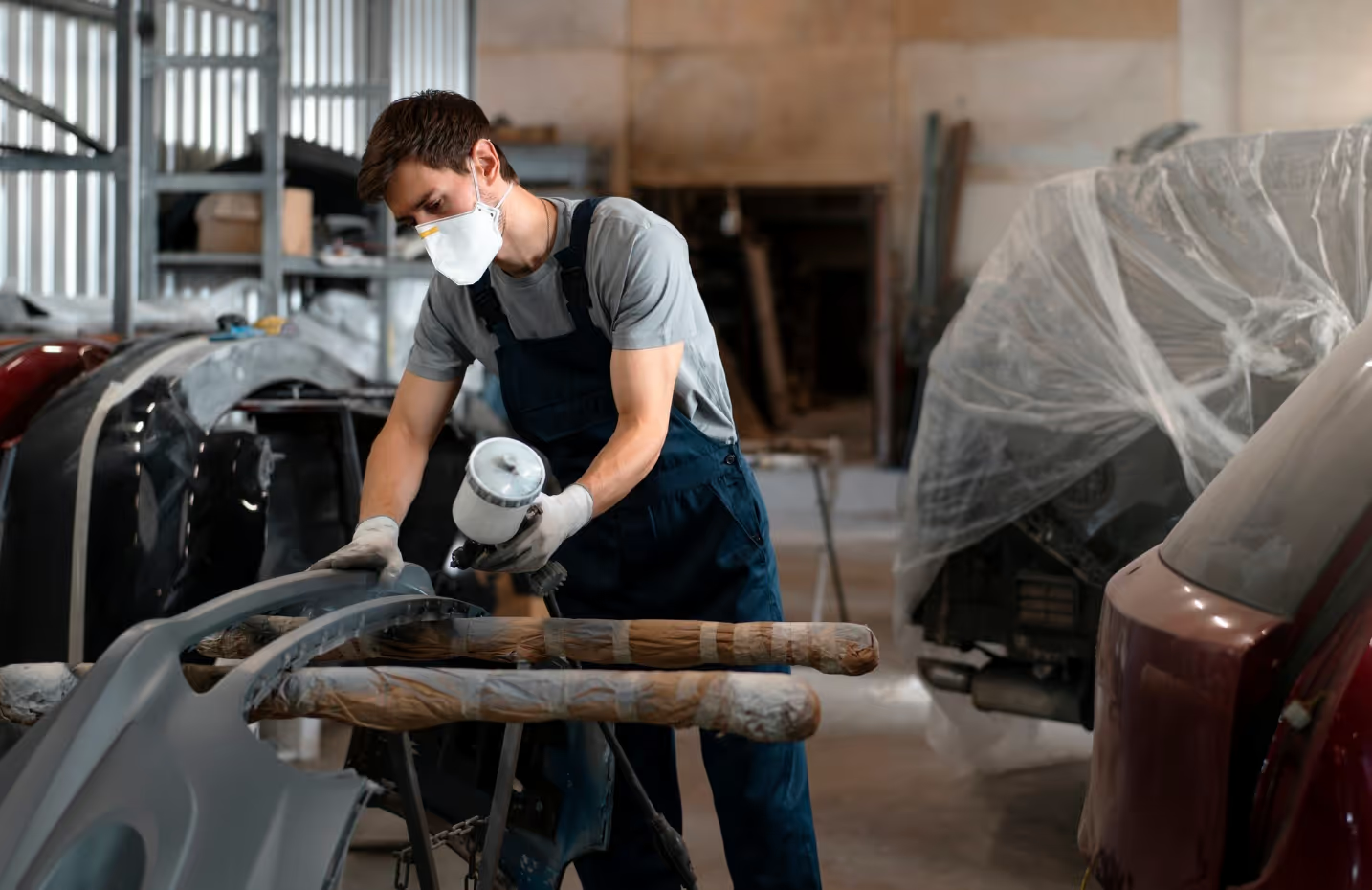
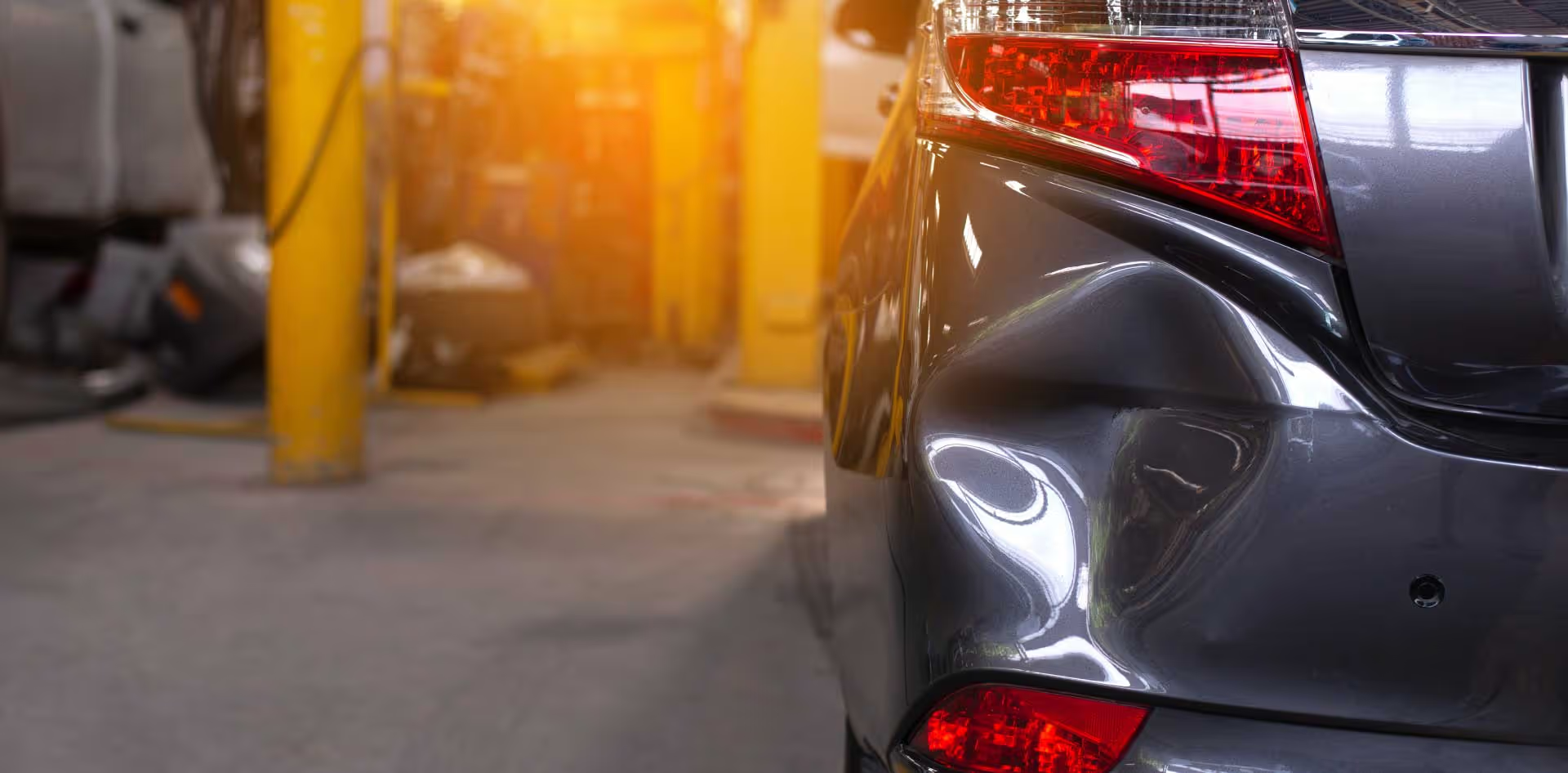
When it comes to collision repairs, make sure you are getting OEM parts, since aftermarket body panels may not fit properly or have proper crumple zones for crash safety. You'll often find that your insurance company will favor aftermarket parts because they are cheaper. If you request OEM parts, some insurance companies ask you to pay an additional fee. Check with your insurance provider beforehand, to see what parts they will cover.
By choosing Regal Repair yo can be rest assured that your car will be repaired with OEM parts and manufacturer procedures, to make sure your safety and your car value are intact.
Save even more at Regal Repair for all your collision repair needs. Take advantage of our special collision repair coupons and deals to get your vehicle back in shape without overspending. Whether it's a minor dent or major damage, our offers provide affordable, high-quality repair solutions. Don't miss out on these limited-time discounts — explore our deals today and ensure your car receives the best care at the best price! Please mention the website coupon at the time of the vehicle estimate.


.webp)
.png)
.webp)
.avif)
.webp)