Vehicle Frame Repair and Straightening

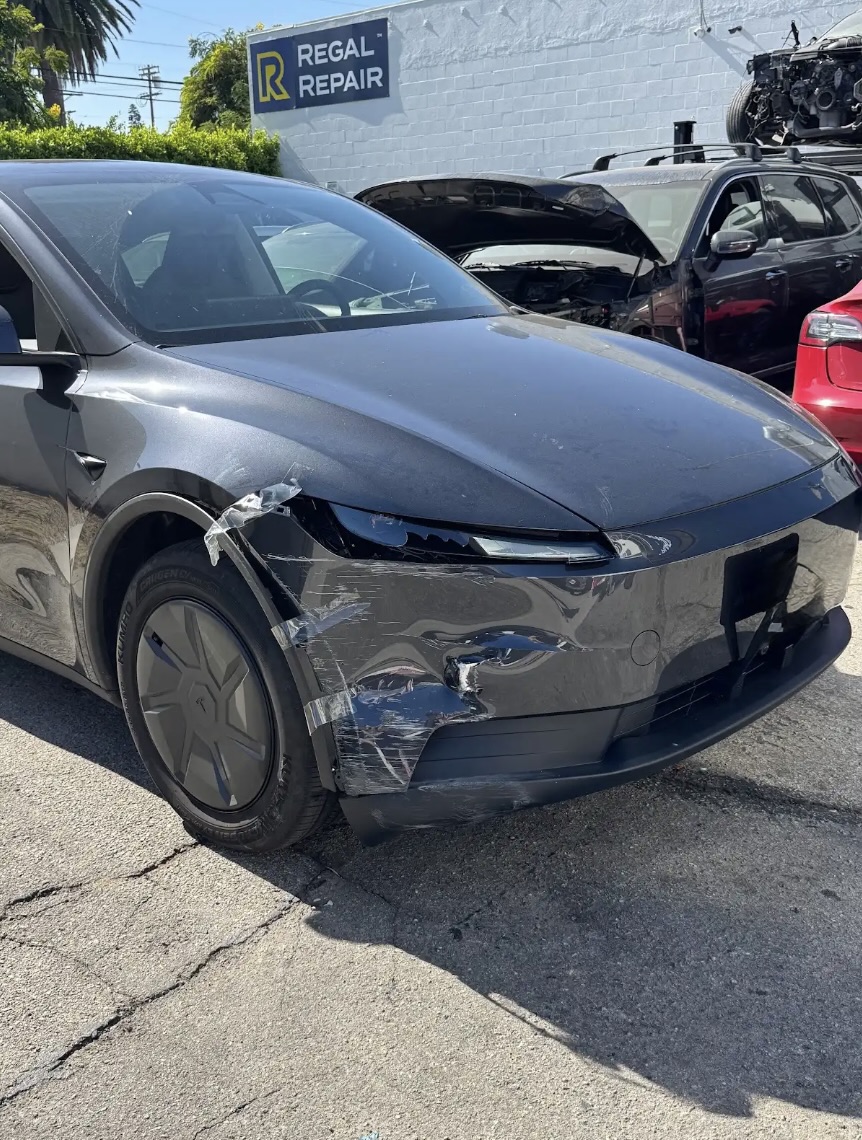
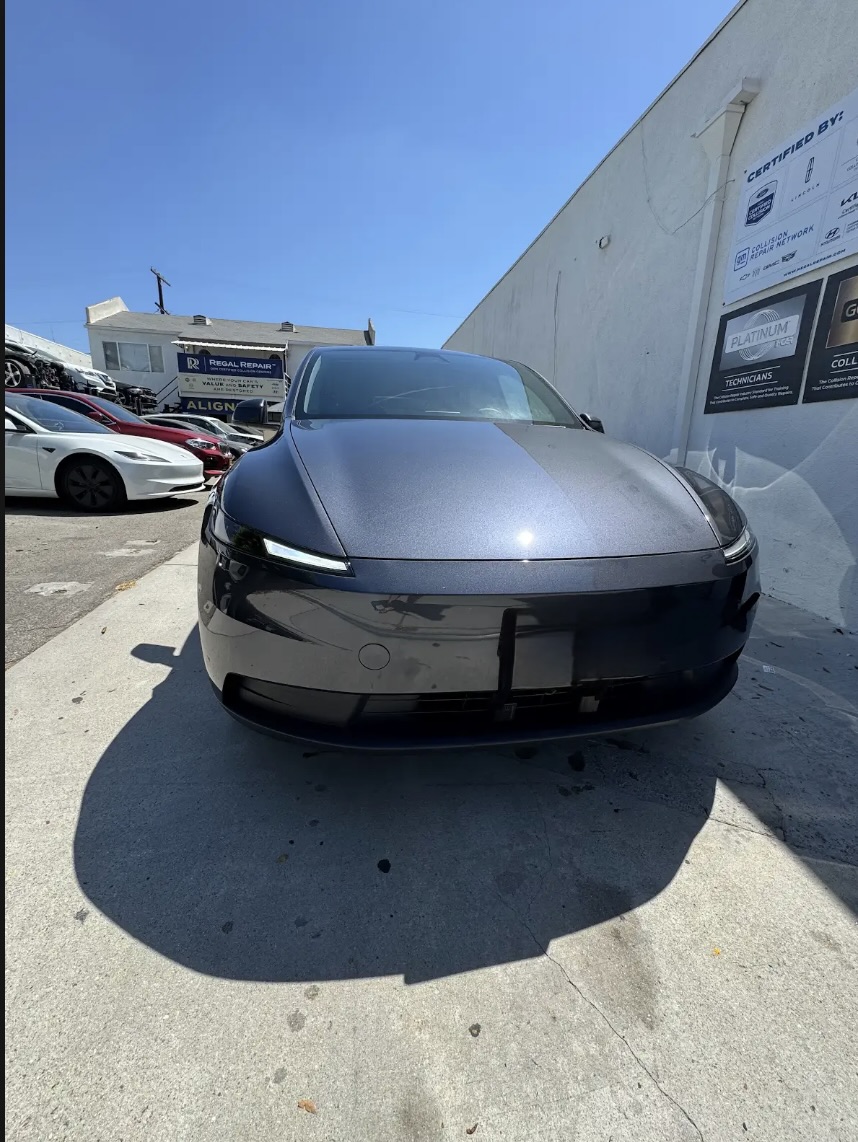
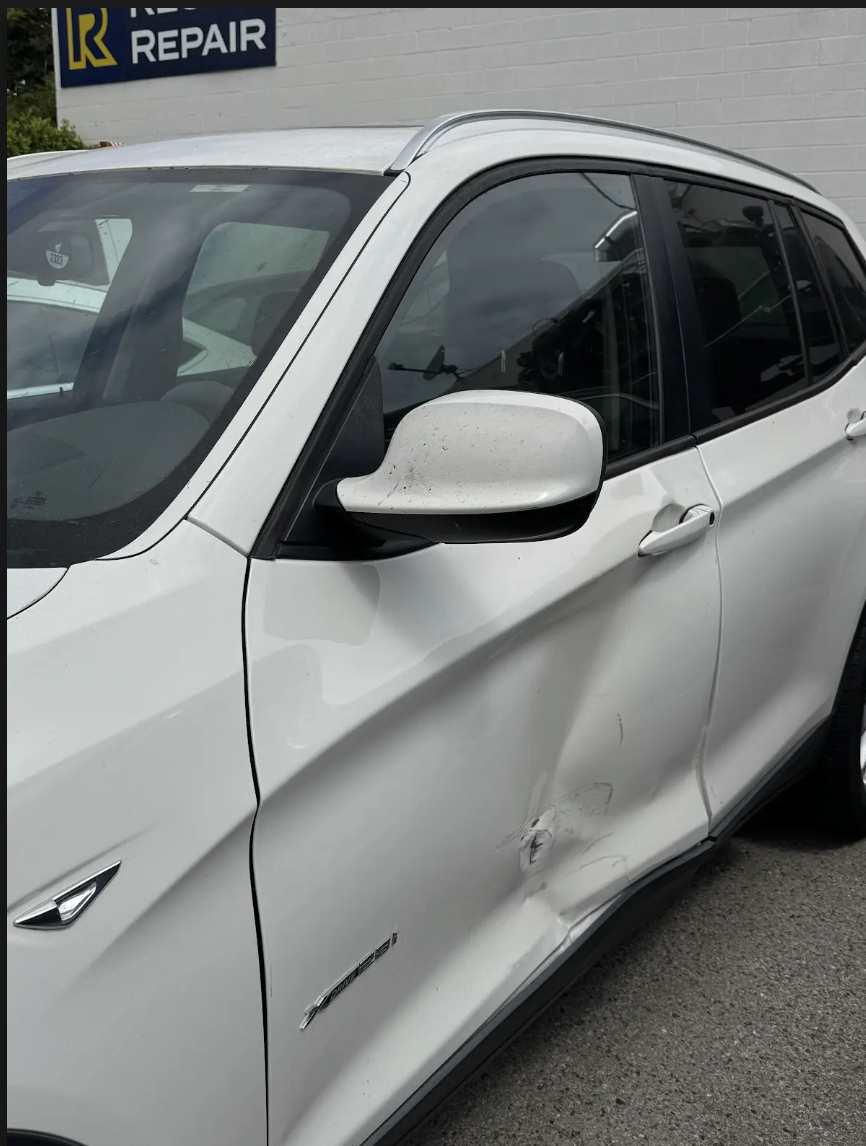
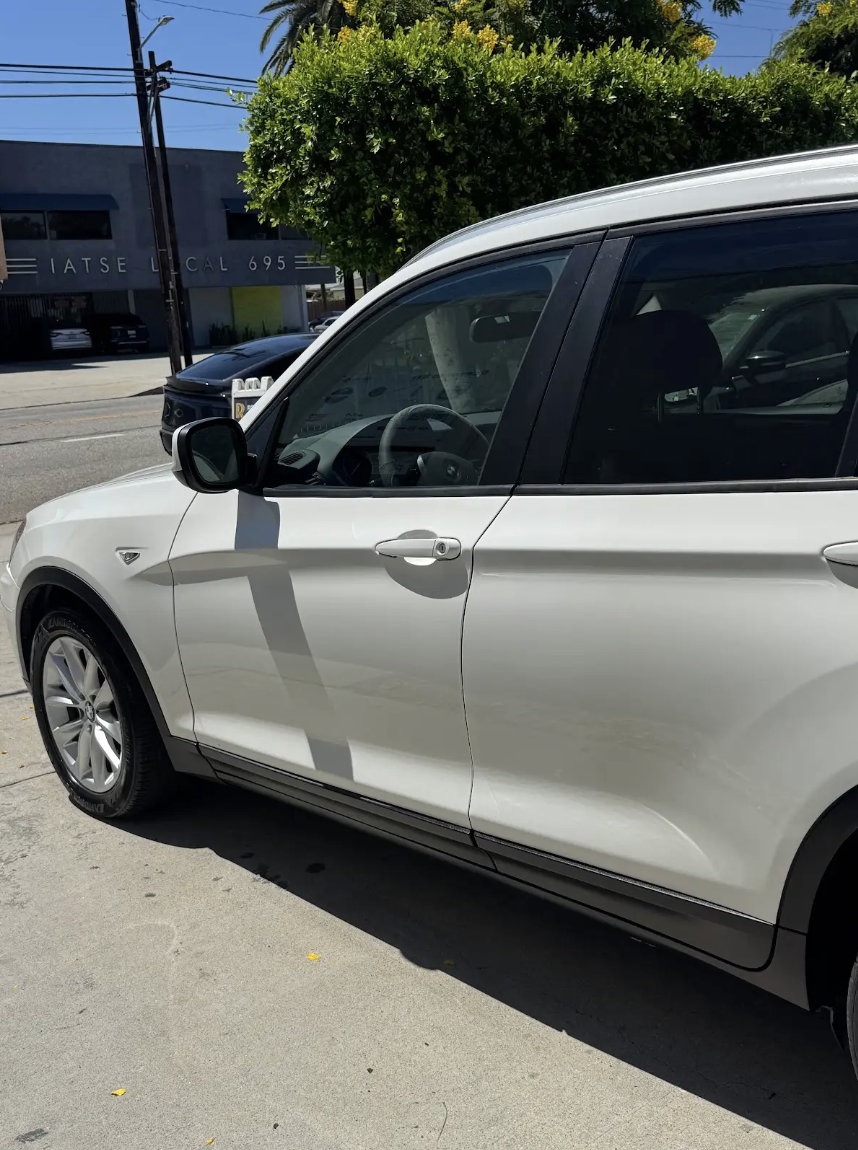
Uni-body and frame repair Services. Our skilled and Certified Technicians can restore your Car's frame to its original state.
All Insurance Claims
Only Original Parts
Vehicle Pickup & Delivery*
all makes & models

state-of-the-art uni-body and frame repair

We are specialized in frame straightening and computerized frame measurements. The damaged vehicle is placed on a platform. It features two towers, which are upright posts, and a hydraulic ram. Clamps are mounted on the vehicle to hold it still, and chains connect the frame to the car. Using hydraulics, the towers pull the chains in precise ways to gently and slowly straighten the frame until it’s been restored back to factory specifications.
Chief Technology logoCelette logo

Unibody or full frame — what your car actually has

"Frame damage" means two different things depending on what you drive, and the difference changes the entire repair. Most cars on the road in Los Angeles don't have a frame in the sense people usually mean. Trucks and large SUVs do.

Most cars, crossovers and SUVs

Unibody

There is no separate frame. The shell is the structure.

  • Floor, roof, pillars and panels work together as one load-bearing unit
  • Impact energy travels through the shell, so damage reaches further than the visible dent
  • Designed to deform in specific places to protect the cabin
  • Repaired by pulling back to specification, or by cutting out and replacing sections at points the manufacturer defines
Trucks and large SUVs

Body-on-frame

A ladder frame runs the length of the vehicle. The body bolts on top.

  • The frame carries the structural load; the body is a separate assembly
  • Frame damage and body damage can occur independently of each other
  • The frame is anchored and measured against published specification, point by point
  • Body mounts themselves are a checkpoint — a straight frame with shifted mounts still isn't right

Neither one is the bad news. A unibody car isn't more fragile and a truck isn't automatically easier to fix. They're different structures that fail differently, and the only thing that changes is which procedure your car gets — which is decided by your VIN, not by a rule of thumb.

Which do you have?

Almost certainly unibody

Sedans, hatchbacks, coupes, minivans and the large majority of crossovers and SUVs — Equinox, Traverse, Terrain, Acadia, RAV4, CR-V, Explorer, Pathfinder, Telluride, most Teslas, and nearly every electric car.

Body-on-frame

Full-size pickups and the large SUVs built from them — Silverado, Sierra, F-Series, RAM 1500, Tahoe, Yukon, Suburban, Armada, QX80 — plus a handful of others like the Wrangler.

The name doesn't tell you

Badges move between platforms. A current Blazer is unibody despite a truck heritage; a Pathfinder is unibody despite once being body-on-frame. Don't go by the name, and please don't go under the car to look — tell us the VIN and we'll tell you.

Why we're specific about this. The repair procedure, the anchoring, the measurement points and the rules about what may be straightened versus replaced all come from the manufacturer, per vehicle. Getting the construction type right is the first thing that happens on an estimate, not a detail sorted out later.

How we prove it's straight

Pulling a frame is the part you can watch. Measuring is the part that decides when to stop. A structure that looks right, closes its doors and drives without pulling can still be out of specification — which is why nobody here decides your car is straight by looking at it.

Measuring a vehicle structure against factory specification A simplified overhead view of a vehicle structure showing a centreline, a series of reference points along both rails, and one reference point that has moved out of its specified position after an impact. Centreline Out of specification Measured, not guessed Every point checked in three directions: length · width · height Factory reference points

What actually happens

  1. 1

    Measure before anything is touched

    The vehicle is anchored and its reference points are measured against the manufacturer's published specification. This is the baseline, and it's taken before a single pull — partly to know what's moved, partly so there's a record of what the car was like when it arrived.

  2. 2

    Compare against factory specification

    Manufacturers publish where each point on a structure is supposed to sit. Your car's measurements are compared against its own specification — not against a similar car, and not against how it looks. Differences are read in millimetres, in three directions at once: length, width and height.

  3. 3

    Pull, and keep measuring while pulling

    This is the part the towers, clamps and chains do. Correction is applied gradually and the structure is re-measured as it moves, because metal doesn't return in a straight line and overshooting is its own problem.

  4. 4

    Measure again at the end, and write it down

    A final set of measurements confirms the structure is back within specification. Same reference points, same specification, compared against the baseline from step one.

Ask any shop for the before-and-after measurements. A structural repair that was measured properly produces a document. If a shop can't show you where your car started and where it finished, the honest question is how they know it's finished at all.

The equipment on this page, explained

Measuring and pulling systems

The bench, towers and hydraulics apply correction, and the measuring system tells the technician what's happening while they do it. The two work together — pulling without live measurement is guesswork with expensive equipment attached.

Fixture benches

A fixture system holds a vehicle at manufacturer reference points using dedicated fittings for that model, so the structure is physically located where the factory says it belongs rather than approximately positioned. It's slower to set up and considerably more exact.

Why the brand matters less than the habit

Good equipment in a shop that doesn't measure before and after is just good equipment. The thing worth asking about isn't the logo on the bench — it's whether the numbers get recorded.

One honest limit. Not everything can be straightened. Modern vehicles use high-strength and ultra-high-strength steels in specific places precisely because they don't deform easily, and several of those grades cannot be heated or pulled back at all — the manufacturer's procedure calls for the damaged section to be cut out and replaced at defined points instead.

Which means a shop that tells you it can straighten anything is telling you something useful about itself. Sometimes the correct repair is replacement, and knowing which is which is the job.

process
1. Assessment & Disassembly. The first step in the auto body repair process is determining the full extent of your vehicle’s damage. During this phase, the components of your car will be disassembled and examined so your auto body mechanic can give you the clearest picture of the damage and what must be done to mitigate it, as well as provide an estimate for the work.

2. Repair. Once a repair plan has been made, your auto body mechanic will order any parts necessary and complete the repairs outlined on your estimate. This may include replacement or repairs of internal and external components of your car.

3. Paint. After repairs have been completed, the exterior of your vehicle will receive auto body paint to repair cosmetic damage and seamlessly match any new components with the existing body of your car.

4. Reassembly & Auto Detailing. Finally, your car is reassembled and all systems are checked to ensure repairs are complete and each system is functioning properly. Your car will be cleaned and any auto detailing needed is completed so you will receive your car from the auto body shop in beautiful and ready-to-drive condition.

Frequently Asked Questions about Frame Repair

Q

What is a frame on a Car?

Point icon

A vehicle frame, also known as its chassis, is the main supporting structure of a motor vehicle, to which all other components are attached, comparable to the skeleton of an organism.

Q

Is a car considered totaled if the frame is bent?

Point icon

Not necessarily, typically, cars are considered to be “totaled” when the cost to repair the vehicle is higher than the actual cash value (ACV) of the vehicle.

Q

How to know if the frame is bent on a car?

Point icon

To determine if your car frame is bent, you can check to see whether your doors are able to close smoothly, without additional force. In addition, you can measure the opening of each car door. If one or more door opening is smaller than the others, this is a sign of a bent frame.

Q

Can a vehicle with frame damage be repaired?

Point icon

We are experts in Unibody and full frame straightening. At Regal Repair we have the finest in frame and measuring technology and experienced, qualified technicians.

Regal Repair — North Hollywood 5430 Cahuenga Blvd, Los Angeles
Hours of Operation
Monday - Friday
8:00 AM - 5:00 PM
Saturday
9:00 AM – 2:00 PM
Saturday Note
(by appointment)
Sunday
Closed
Red circle containing a white lowercase letter i and an exclamation mark, indicating important information or alert.
24/7 Emergency Service Available
We're here when you need us most
Wrench icon inside a rounded square button.
Services Offered
Blue spinning loading icon with a circular arrangement of dots decreasing in size.
Complete Collision Repair Facility
Blue spinning loading icon with a circular arrangement of dots decreasing in size.
Auto Body Repair and Paint
Blue spinning loading icon with a circular arrangement of dots decreasing in size.
Auto Body Repair and Paint
Our certified technicians use state-of-the-art equipment to ensure your vehicle receives the highest quality service and care.