

.svg)





.webp)








.avif)





Primary location
North Hollywood, LA
-
5430 Cahuenga Blvd,
North Hollywood, CA 91601 - (818) 505-1442
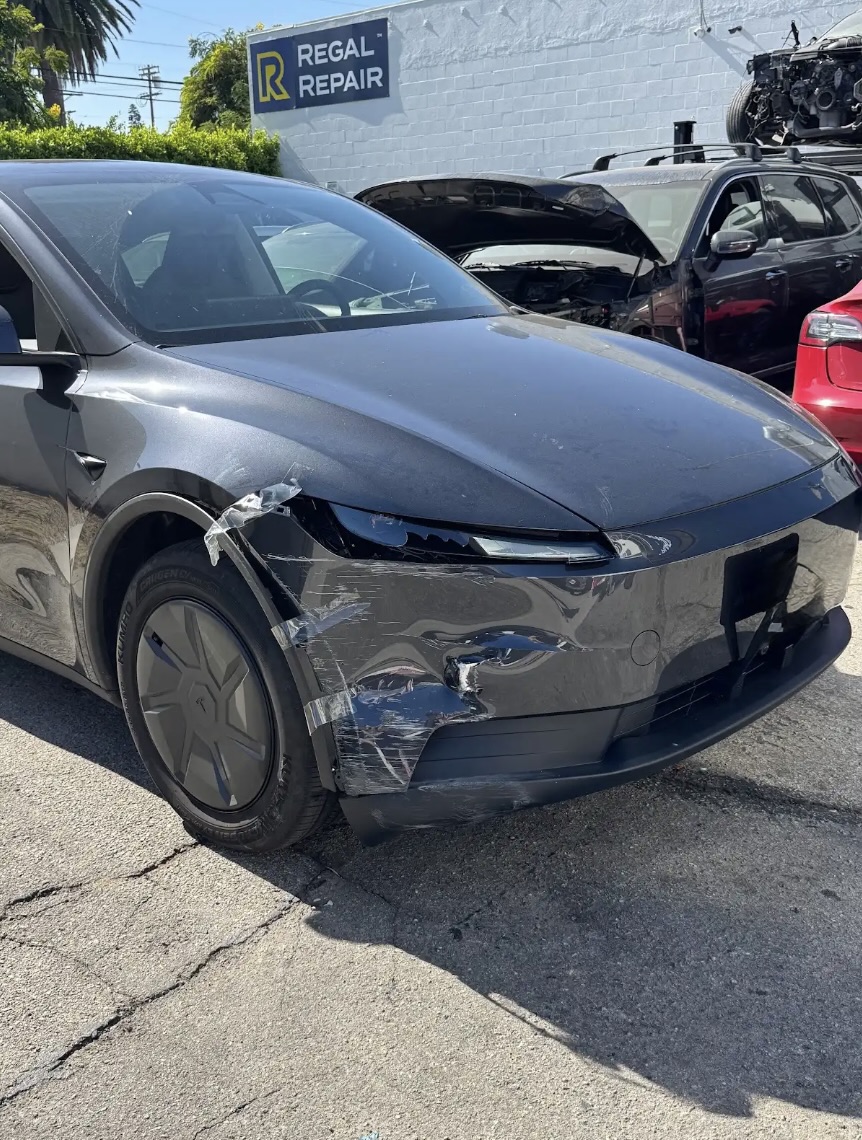
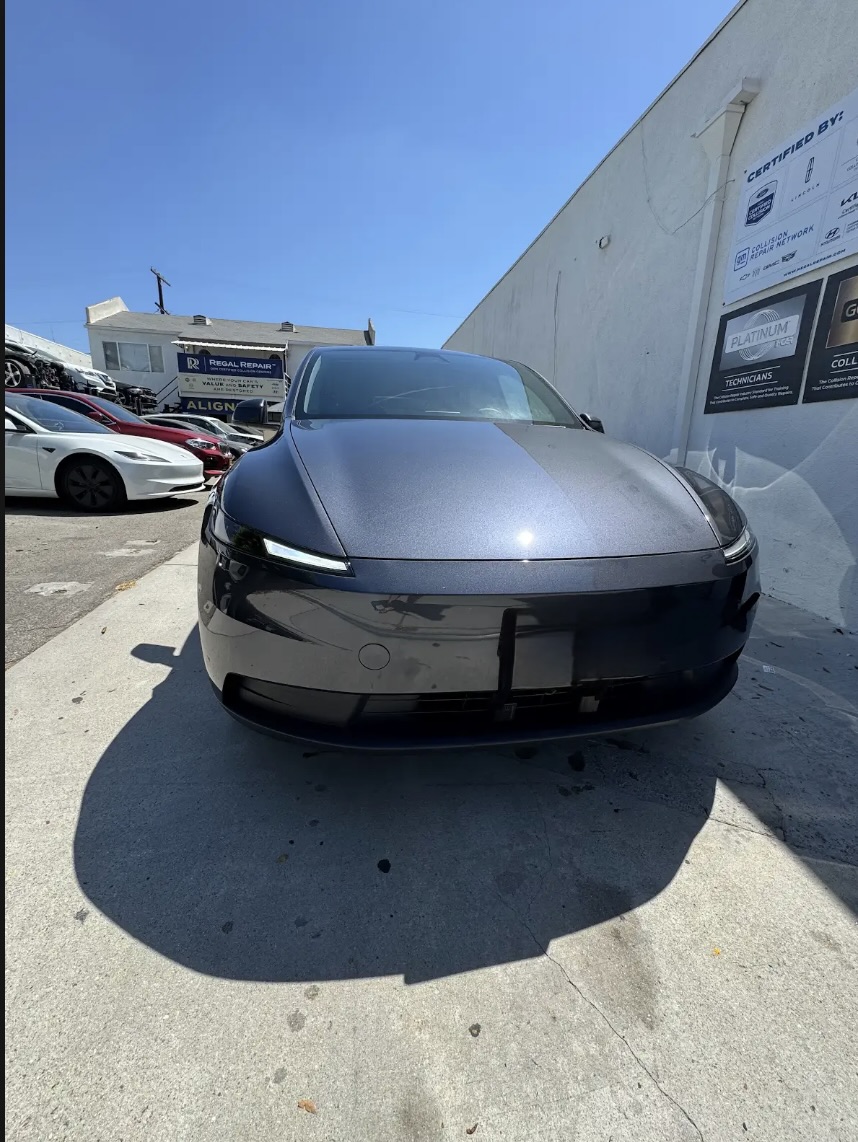
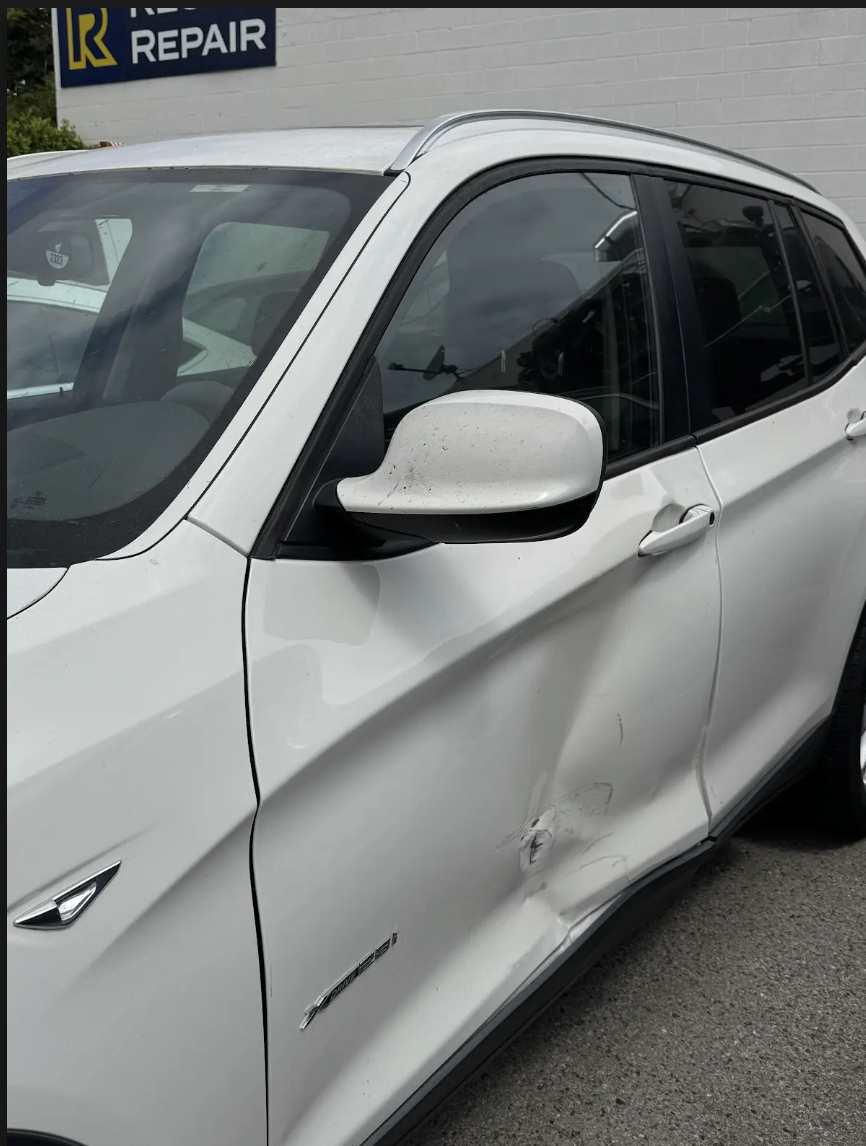
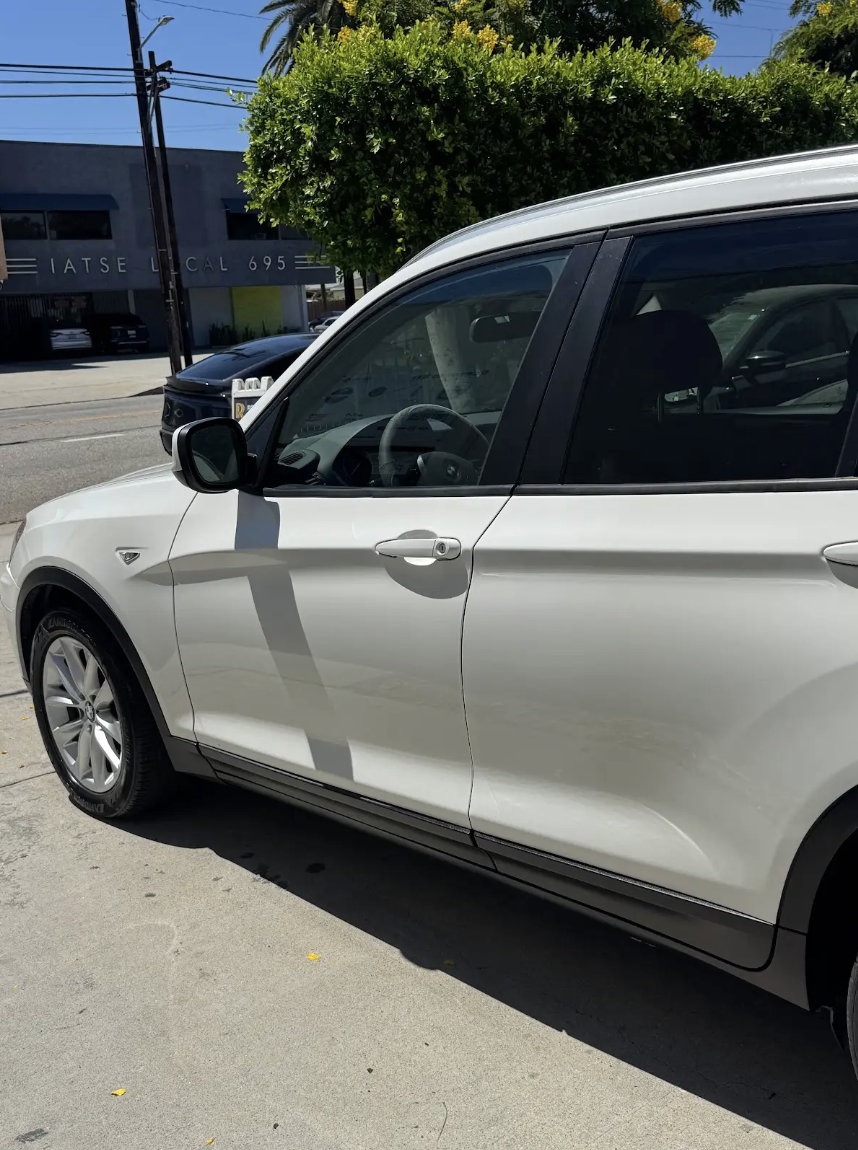
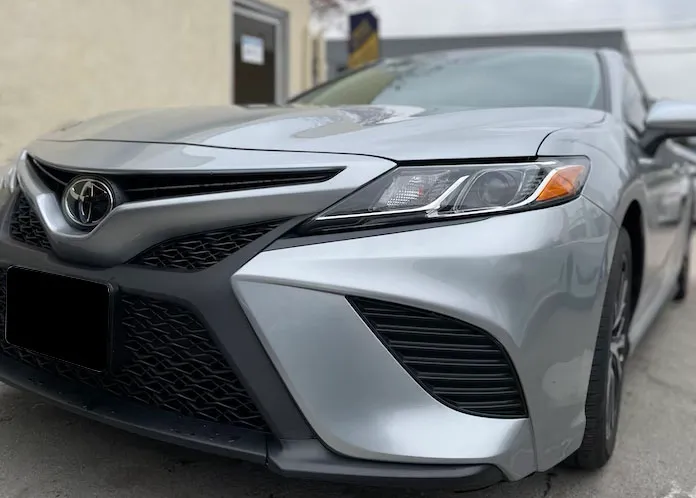
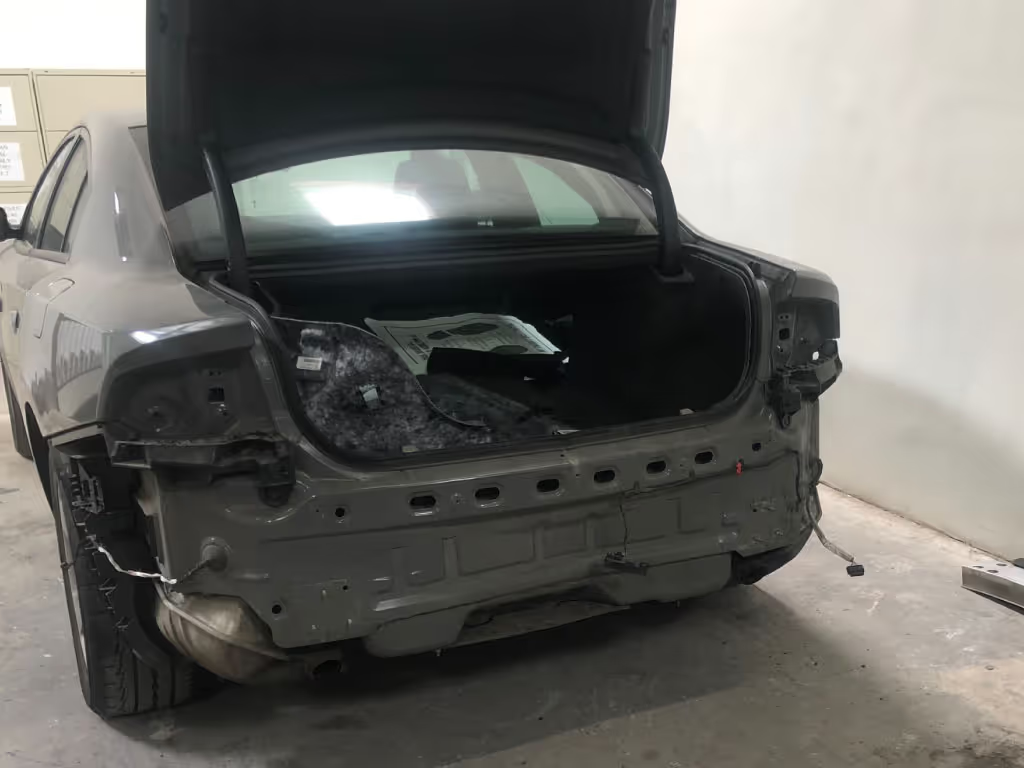
Electric and hybrid vehicles require specialized knowledge and equipment for safe, proper collision repairs. At Regal Repair, our highly trained technicians understand the unique components and high-voltage systems found in these vehicles.
We provide specialized EV and hybrid collision repair using genuine parts, advanced equipment, and strict safety procedures. From body repairs to battery system inspections, our team is equipped to handle the complexities of modern electric and hybrid vehicles.
With more than a dozen certifications and a strong reputation for customer service, you can trust Regal Repair to restore your vehicle properly and help get you safely back on the road.
And many more...
If your electric or hybrid vehicle has experienced a collision or requires bodywork, trust our experts to restore it to its optimal condition. Schedule an appointment with us today to experience top-tier service tailored for the modern automotive era.
.avif)
.avif)

.png)
.png)



.avif)
.avif)
Our clients trust Regal Repair for quality, transparency, and exceptional service. From start to finish, we're committed to delivering a smooth repair experience and results that exceed expectations-every time."


Gold Class obliges every technician involved in collision repair to complete training every single year: hidden damage, repair-versus-replace decisions, airbag and seatbelt inspection, and technology that did not exist last model year.
What Gold Class requires
Our technicians hold I-CAR Platinum recognition and ASE certification. Completed repairs are documented against the vehicle's VIN and secured for the life of the car, so a future buyer or appraiser can see exactly how the work was done.
How Certified Repair documentation worksManufacturer certification means the automaker has audited Regal Repair's tooling, technician training and documented repair procedures against its own requirements. BMW, MINI and Tesla work is handled as a specialisation rather than under a manufacturer certification programme, and is labelled that way here. All manufacturer logos and trademarks are the property of their respective owners.
All insurance claims accepted
Our certified estimators coordinate directly with your adjuster: the estimate, the supplement for hidden damage, the photographs and the repair documentation. Regal Repair is independent of every insurer on this list, so the repair plan is written to the manufacturer's procedure, not to a claims target.
How our claim assistance worksClaims staff on call 24/7
Call the police and get a report number, photograph the scene and the other vehicle, and collect witness details before anyone leaves. Then call us — we can start the claim, arrange the tow and speak to your insurer before you do.
(818) 751-2555These are the carriers our estimators work with most often — but we accept every insurance claim, whether or not your insurer appears here, and you are free to choose your own repair facility regardless of what a carrier suggests. Regal Repair is not an agent of, and is not endorsed by, any insurance company listed. All insurer logos and trademarks are the property of their respective owners.
.png)
.webp)
.avif)
.webp)