Stay Safe: Know the High-Risk Routes and How to Protect Yourself
It is no secret that some roads in Los Angeles have a higher risk of collisions - thanks to heavy traffic, complex intersections, speeding, and unpredictable weather conditions. However, the truth is, many accidents could be avoided if drivers were better informed, specifically about the danger zones.
So, which roads are the most dangerous in Los Angeles? How do you steer clear and stay safe on these roads?
Read on to find out. Together, let's protect lives and properties.
What Makes a Road 'High-Risk' for Collisions
Many drivers aren't aware of the cues that say, "Bad road, drive safe."
Here are some common factors to watch out for:
- Heavy traffic congestion. This one is a no-brainer.
- High-speed driving (high speed is not a wise driving habit)
- Frequent unexpected lane changes
- Low visibility at night and during the rain
- Sudden stops, braking (high speed braking quickly and unexpectedly in the middle of the road)
The Most Dangerous Roads in Los Angeles
Interstate 405 (San Diego Freeway)
One of the Deadliest Freeways in the U.S.
The San Diego Freeway is one of the deadliest and busiest freeways in the U.S., recording 154.5 average accidents per mile in certain spots.
Interstate 5 (Golden State Freeway)
Commercial Heavy Truck Route
Golden State Freeway is a large, underlying freeway that facilitates a car pileup. Facilitates commercial activities, including goods and services (heavy trucks).
Using this road means getting stuck in serious traffic. Accidents often happen during a sudden traffic slowdown.
The road is extensive, which also means speed.
Common collision types:
- High-speed impact (extensive road)
- Truck-related accidents
Interstate 10 (Santa Monica Freeway)
Dense Commuter Traffic
The length of the Santa Monica Freeway is approximately 2,460 miles, a road with dense commuter traffic.
Common collision types: Merging accidents and rear-end crashes.
U.S. Route 101 (Hollywood Freeway)
Narrow Lanes & Sharp Curves
Hollywood Highway is stretchy, no doubt, but it has narrow lanes and sharp curves. This means that the road has a small width, and the lanes have sharp corners, making it complex to navigate. It takes highly experienced drivers to drive on these roads.
State Route 110 (Pasadena/Harbor Freeway)
Outdated Design for Modern Traffic
The Pasadena Freeway is an older freeway not designed for modern traffic congestion. There's a high accident rate in downtown sections, as many drivers often lose control.
Surface Streets with High Collision Rates
Many drivers try to avoid traffic congestion on highways by using surface streets, as they're seemingly all safe and less congested. But here's the catch: not all of these surface streets in Los Angeles are safe. Here are some streets you should watch out for:
Sunset Boulevard
The street with high-speed and nightlife traffic.
Wilshire Boulevard
This street is mixed with traffic and frequent turns.
Sepulveda Boulevard
A congested and reckless drivers' route.
Why Winter and Rain Make These Roads Worse
1. First rain after dry months: This rain results in slippery road surfaces.
2. Poor drainage leads to hydroplaning: A situation of heavily accumulated water, making car handling difficult and almost impossible. In extreme situations, a collision can be inevitable.
How to Reduce Your Risk on Los Angeles's Most Dangerous Roads
Proven ways:
Increase Following Distance
The ideal following distance is the 3-second rule under normal circumstances. But for you, especially on these roads, increase your driving distances to 5 or more seconds.
Avoid Sudden Lane Changes
Don't change lanes suddenly and expect everything to be ok. Signal early and check blind spots carefully.
Drive Slowly in Rain
Drive more slowly in the rain because the surface is slippery. Reduce speed significantly during wet conditions.
Maintain Your Vehicle
Maintain good tire pressure and brakes. These two factors have ensured safer and maximum contact with the road surface.
What to Do If You Get into a Collision on a High-Risk Road
-
Safety First
If the vehicle is still mobile, move to a safer spot - if it's not, move out of the car.
-
Document Damage Immediately
It is as simple as taking an all-around photo of the state of your vehicle.
-
Call Your Insurance Company
If you have one, report the incident immediately.
-
Expect Hidden Damages
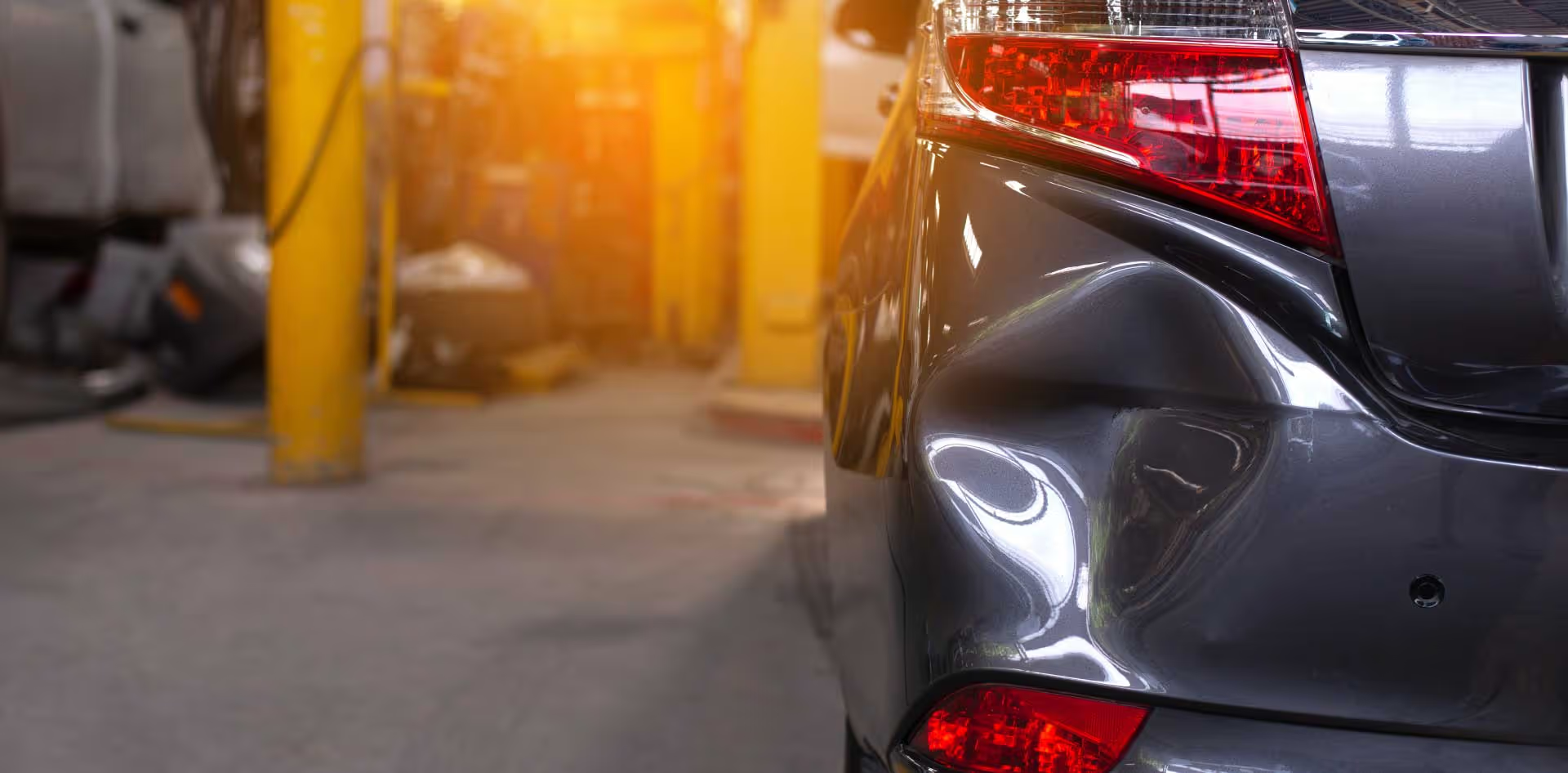
Due to impact (whether high-speed or not), ensure you have a professional collision shop inspect it.
Frequently Asked Questions
1. What should I do immediately after a collision on a high-risk Los Angeles road?
First, move your vehicle to a safe location if it's available, then document all damage by taking photos from all angles. Only after that, contact your insurance company and report the incident. Also, find a professional collision shop to inspect your vehicle for hidden or invisible damage.
2. Why are roads like the I-405 and I-10 so dangerous in Los Angeles?
Heavy traffic, legally allowed high speeds, and unexpected lane changes make these freeways very dangerous.
3. How can I stay safer when driving on Los Angeles's most dangerous roads?
First, stick to driving rules and increase your following distance beyond the standard, especially on high-risk roads. Second, try to avoid sudden lane changes, and third, drive more slowly during rain or slippery seasons. Finally, always check your tire pressure and brakes to ensure your car is safe.
Stay Safe on LA Roads
Knowledge is leverage. Understanding the Los Angeles roads with high collision risks not only helps you minimize potential collisions but also saves you from needless collision repair expenses.
Are you asking yourself, "Where do I get the best collision repair service in Los Angeles?" Talk with Regal Repair now.
Get Your Free Repair Estimate




.svg)


.webp)
.png)
.webp)
.avif)
.webp)